Rewilding inspiration at Holloway Film Club
by Clare Limb
I entered a room humming with the sound of expectation. It was a gathering of people all interested in rewilding that I found at The Florence Nightingale Memorial Hall on a damp Friday evening in January.
Thanks to a fellow transitioner, I had had my curiosity wakened by a post on our WhatsApp Community in the Protecting Green Spaces and Conserving Wildlife group. There’s a film about the rewilding of the Knepp Estate on at Holloway Film Club with a talk beforehand about rewilding projects in Derbyshire it said. I was duly excited and went along with great anticipation. The evening did not disappoint.
The speaker, freelance rewilder Peter Ambrose, did a fine job of helping us understand the concepts in the film including the size of the Knepp Project in comparison to the size of the field at the back of the hall that we were sitting in. It was a great way to assist with understanding the scale of their endeavour.
Pete also gave us a fantastic overview of rewilding projects that he has been working on in Derbyshire including on The Longshaw Estate (with the National Trust and RSPB) and Sunart Fields, as well as his own back garden which he affectionately called ‘Pete’s Plot’. The key messages were do one cut a year of the grass, make wood piles for the insects and small creatures, create a pond and you will have rewilded your garden!
After coffee and delicious lemon meringue pie from Maycock’s we all settled down to watch the film. Directed by Emmy award winning David Allen, the film tells the story of how Isabella Tree and Charlie Burrell took their 400-year-old estate in West Sussex and turned it into a haven for insects, birds, butterflies and beavers, using ideas from the past to create a positive place for wildlife habitats of the present and future.
The film was narrated by Isabella whose calm presence belies a steely interior as she tells of the joys and difficulties of the project and how it challenged them as a young couple (whilst trying to raise two small children at the same time!).
The film is told through narration over footage & sensitive re-enactment and charts the journey from start to finish of the project (although it’s never going to be finished). It tells us of the thrill of watching previously domesticated animals becoming wild and bearing young which have been born in the wild. And of Duncan, the horse stuck between two worlds, and having an identity crisis which wreaked havoc wherever he went (there’s a great scene in which he totally disrupts a polo match). The story of a dead owl next to the ice cream in the freezer, pigs rootling up the manicured lawns of the castle and storks nesting on the chimney of the study all feature in the best moments from the film.
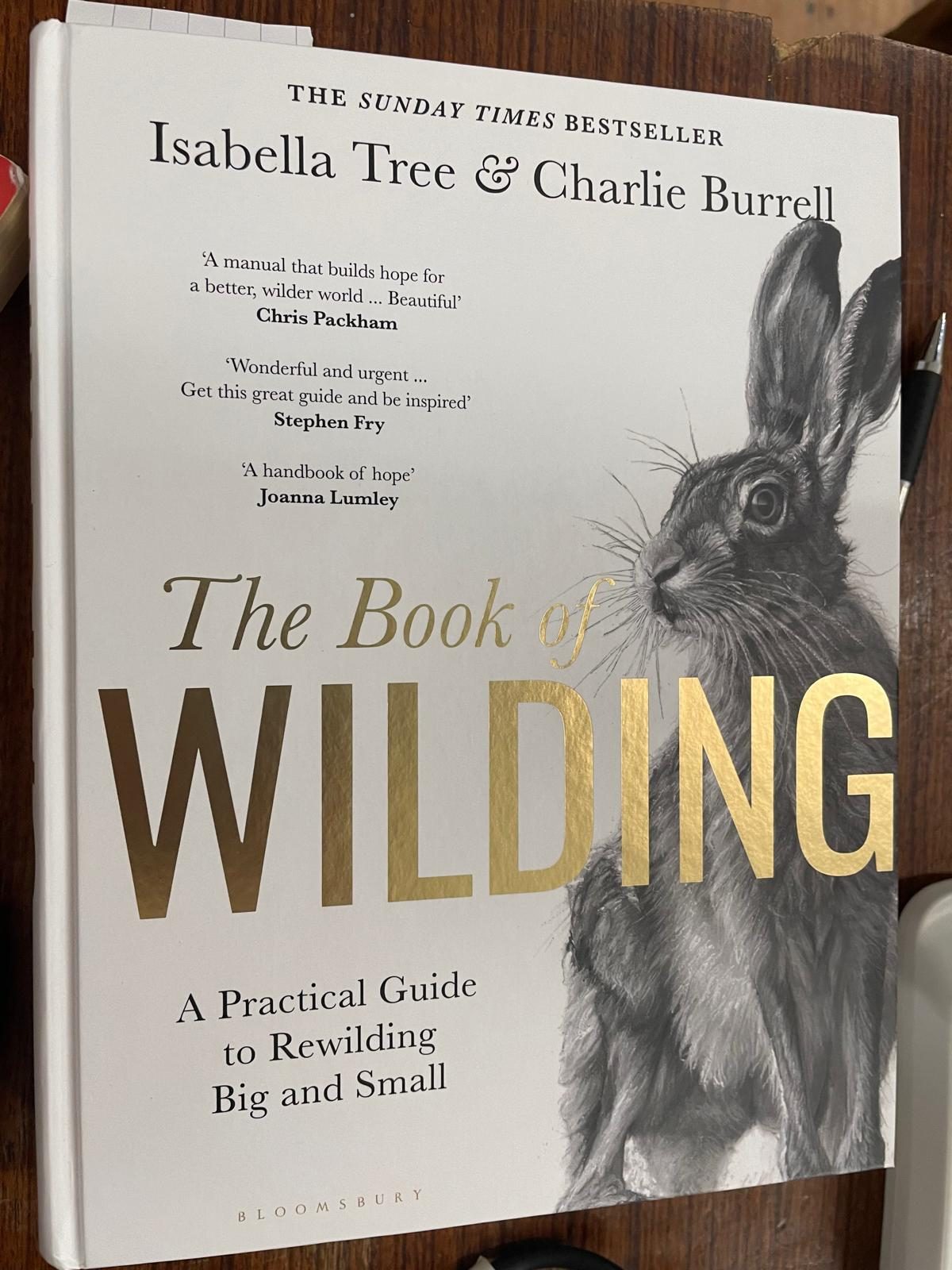
There is no doubt in my mind that this film, and the story of the people who brought the project to life is extremely inspiring and very moving. I’m now keen to read Isabella and Charlie’s book ‘The Book of Wilding – A practical Guide to Rewilding Big and Small’. Thanks to Holloway Film Club for putting the film on.